
Blog
Table of Contents
Mold can begin developing long before it becomes visible. By the time dark spots show up on walls or ceilings, moisture problems may have been present for weeks or even months. Recognizing the early signs of mold growth can help prevent larger issues, protect your home’s structure, and reduce the cost of remediation.
Here are some subtle signs homeowners often overlook.
One of the earliest and most common indicators of mold is a lingering musty smell, especially in areas like basements, bathrooms, attics, or under sinks.
If you notice an odor that returns even after cleaning, it may signal hidden moisture or mold inside walls, flooring, or ductwork.
Mold can impact indoor air quality. If household members experience symptoms such as sneezing, itchy eyes, congestion, or coughing that improve when leaving the home, mold could be present, even if you can’t see it.
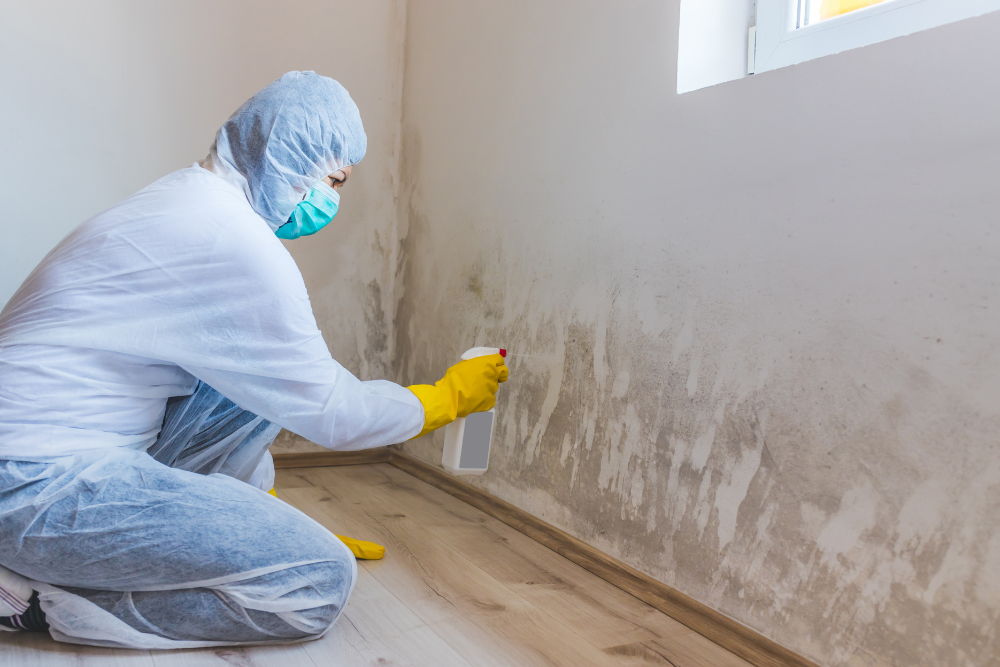
Not all mold looks like dark green or black spots. Early discoloration might appear as:
These changes often indicate moisture problems behind the surface.
If you frequently see condensation on windows, pipes, or bathroom surfaces, your home may have elevated humidity levels. Mold thrives in environments above 60% humidity, making poorly ventilated areas especially prone to growth.
Moisture can cause drywall, wood, and flooring to:
Even slight changes can signal hidden moisture where mold may be forming.
If a spot on the wall or floor stays damp or reappears after drying, the underlying issue may go deeper than it appears. Persistent dampness often leads to mold growth in unseen areas like wall cavities, subflooring, or insulation.
If a musty smell becomes noticeable when the air conditioning or furnace turns on, mold could be inside:
HVAC systems can spread mold spores throughout the home if not addressed promptly.
Even small leaks, like a dripping pipe, appliance overflow, or minor roof intrusion, can introduce enough moisture for mold to develop. Mold can begin forming within 24–48 hours in damp areas.
If the affected materials weren't completely dried and treated, mold may be growing out of sight.
Catching mold early helps:
Because mold often develops in hidden spaces, early signs are easy to miss without professional equipment.
If you’ve noticed any of these warning signs, PHG Restoration Services can help determine whether mold is present and provide safe, effective remediation.
Our team uses moisture meters, thermal imaging, and industry-standard cleaning and containment methods to protect your home and restore healthy indoor conditions.
Contact PHG Restoration Services today for a professional inspection.