
Blog
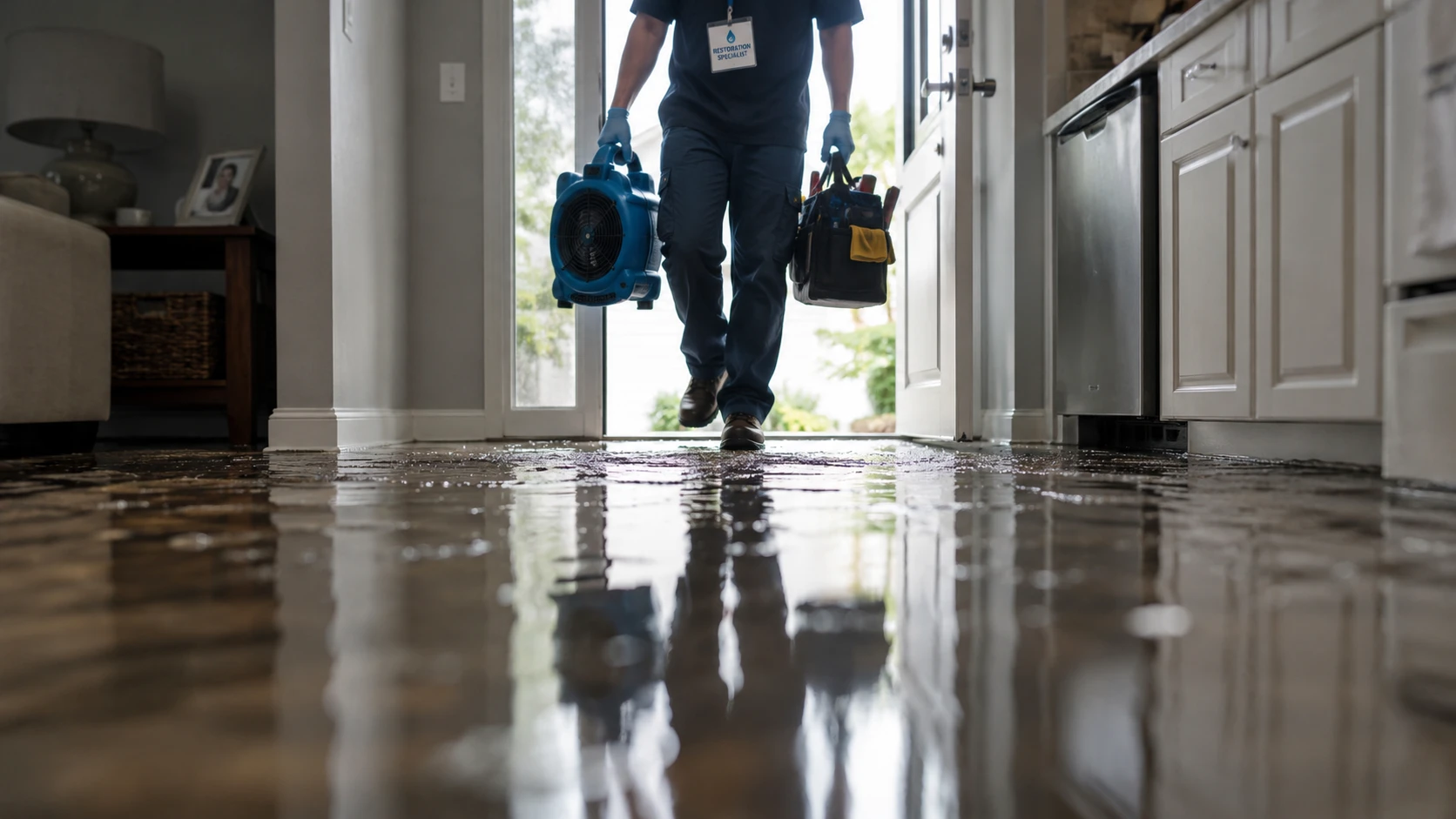
Table of Contents
Ohio’s fall and winter seasons bring shifting temperatures, heavy rainfall, and freezing conditions that can create ideal scenarios for water damage. Many homeowners don’t realize how quickly these seasonal changes can affect roofs, gutters, basements, and plumbing systems.
Here’s a practical guide to the most common fall and winter water damage risks in Ohio, and how to reduce the likelihood of unexpected issues.
During fall, leaves, pine needles, and debris collect in gutters. When gutters clog, water can:
This often leads to fascia damage, basement moisture, or leaks during heavy rain or early-season snow.
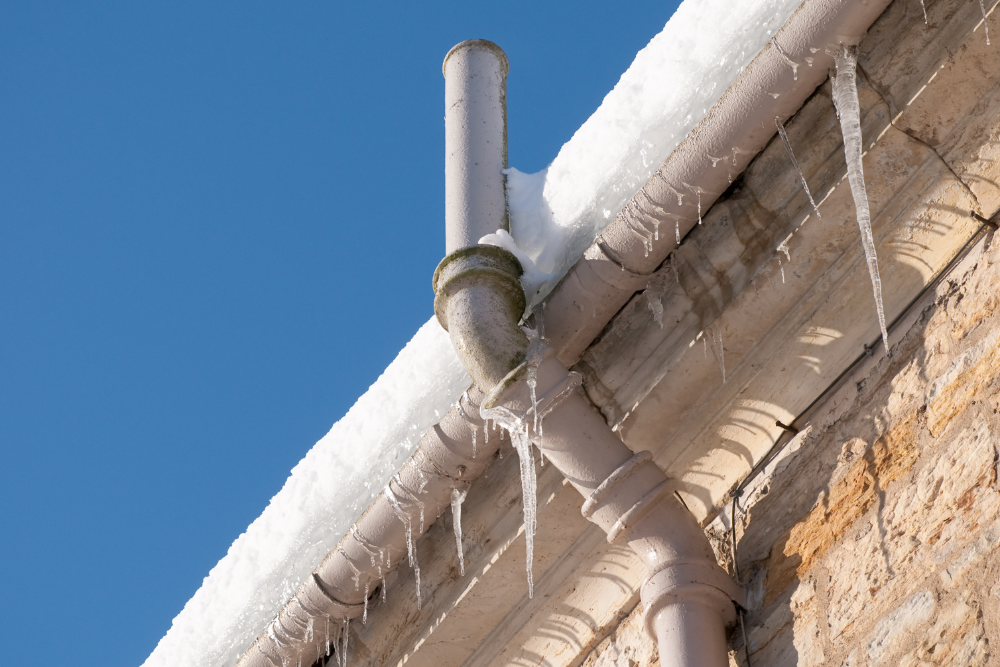
Ice dams become a common issue once winter arrives. They form when:
This creates a ridge of ice that traps water behind it. Over time, the water can work under shingles and seep into the attic, insulation, and walls.
Ohio’s fall rain and winter snowmelt can increase groundwater levels. Water pressure around the foundation often rises, leading to:
Homes with poor drainage or aging waterproofing are especially vulnerable.
The freeze-thaw cycle in Ohio can take a toll on plumbing systems—especially:
As water freezes, it expands, increasing pipe pressure and potentially causing ruptures.
Attics that trap warm, humid air can contribute to condensation on rafters and roof decking during cold weather. Over time, moisture buildup may lead to:
Proper ventilation helps regulate temperature and prevent moisture from developing.
Cold temperatures can worsen small gaps or cracks around windows and doors. When rainfall or melting snow enters these spaces, moisture can collect inside walls, creating the perfect environment for hidden water damage.
A sudden warm spell after a snowfall can produce large amounts of water in a short time. If the ground is still frozen, melting snow has nowhere to go and may flow directly toward the foundation or seep into window wells.
Sump pumps work extra hard during rainy fall months and early thaws. A malfunctioning or overwhelmed sump pump can quickly lead to basement flooding, especially during ice melts or heavy rain.
While not all water damage can be prevented, homeowners can reduce risks by:
A few seasonal checks can make a significant difference as temperatures drop.
If you discover leaks, damp areas, or unexpected moisture this fall or winter, PHG Restoration Services is here to help. Our team can assess the damage, identify the source, and restore your home safely and efficiently.
Contact PHG Restoration Services for professional water damage assistance.